GravityWrite is an AI writing platform that brings together many tools into one space so you don’t keep jumping between apps. It works as a gravitywrite ai content tool where you can create blog posts, social captions, ad copies and even generate AI images. The software also comes with a GravityWrite brand voice module, which helps you keep the same tone and style across all your content. This is really useful for businesses, bloggers and creators who want their message to sound consistent.
More than just writing, GravityWrite acts like a gravitywrite content workflow software. It connects with WordPress, Google Analytics, and Ahrefs to give better SEO insights. It also has scheduling features so you can plan and publish social media content without stress. Users can even compare it as a gravitywrite vs blogify alternative, since it tries to replace several content tools in one. For anyone looking for the best ai content assistant, GravityWrite stands out in 2026 because it saves time, supports multiple AI models and streamlines the whole content creation process.
Specs
Blog writer / content engine: Strong outlines, decent article drafts
Brand voice / AI humanizer: Learns voice, sometimes strains nuance
AI image generation: Fast visuals, basic design control
Social scheduling / content tools: Auto schedule, caption on platform
SEO & data integrations: Connects with Analytics, Ahrefs, WordPress
Multiple AI models support: Offers GPT-4, Claude, etc.
Pros
Offers unified writing, image, social tools
Brand voice module learns your tone
Many AI models from one interface
Integrations with WordPress, Analytics, Ahrefs
Good SEO suggestions built into workflow
Cons
Learning curve for new users initially
Some outputs still feel robotic sometimes
Limited freedom for deep manual editing
Price might feel steep for beginners
Occasional difficulty handling niche topics
In-Depth Review & Personal Insights
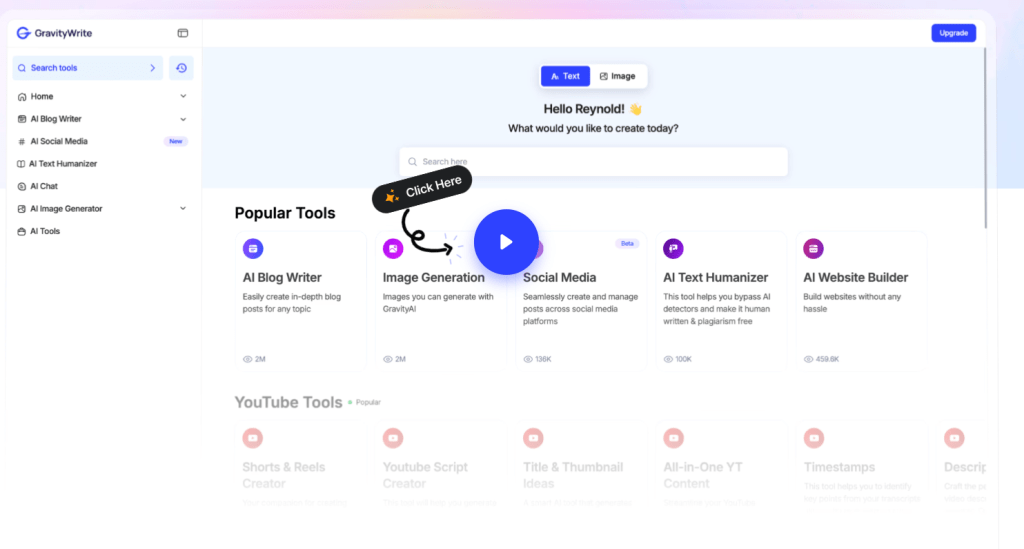
The first time I logged into GravityWrite, I felt some excitement. The dashboard shows many modules: blog workflow, social tools, rewriting tools, SEO tools, image generation, etc. The homepage calls itself an “AI-Powered Content Creation” platform that can “create content 10X faster.” It also promises to eliminate using many tools (ChatGPT, Canva, scheduling tools) by bringing 250+ AI specialized tools into one place, which is why I decided to create this GravityWrite review 2026.
Onboarding included tutorials, video training, and a “knowledge center” so beginners can follow steps. I liked that because otherwise such a rich platform can overwhelm. After going through a few sample tasks, I tried writing a blog article in my niche using the blog writer module.
Writing quality, brand voice and naturalness
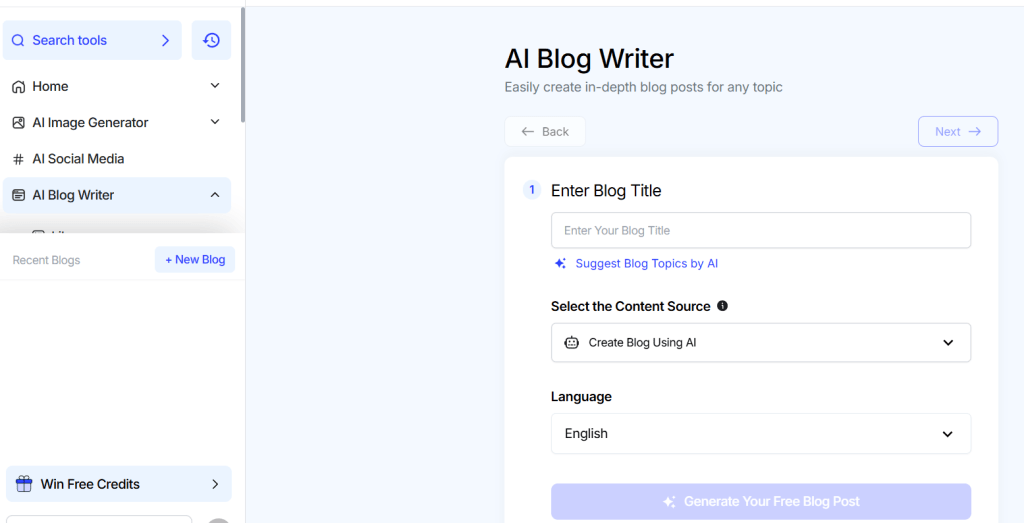
When I used the blog writer, it asked for topic, outline style, some keywords, etc. It generated a draft that was quite decent. The structure felt logical: introduction, subheadings, conclusion. But I noticed some sentences were awkward or had repeated phrases. That is normal for many AI tools, and you must edit. In my test, I used the GravityWrite brand voice module to train its style (by uploading content samples). That helped reduce the “robotic tone” over time. The brand voice module is a nice feature, it helps the AI produce writing more consistent with your style. But it’s not perfect; with very niche audiences or cultural idioms, it sometimes misapplies tone.
Comparing gravitywrite ai content tool to some simpler AI writers, GravityWrite feels more advanced, especially when voice consistency matters. But simpler tools may be faster for very short tasks. In the “gravitywrite vs blogify alternative” frame, GravityWrite wins on features and flexibility, though Blogify might win on simplicity or cost (depending on pricing, though I can’t confirm pricing details from just the homepage). ••• Get Started with GravityWrite for FREE
Features and modules in detail
Here’s a breakdown of major modules I tested or inspected:
Blog writer / content engine: generates outlines, full drafts, headline suggestions, SEO suggestions built in. The “intelligent headlines” claim is visible on their site.
Brand voice / AI humanizer: you can train it on your own writing so the AI adapts. They call this “Brand Voice Mastery.”
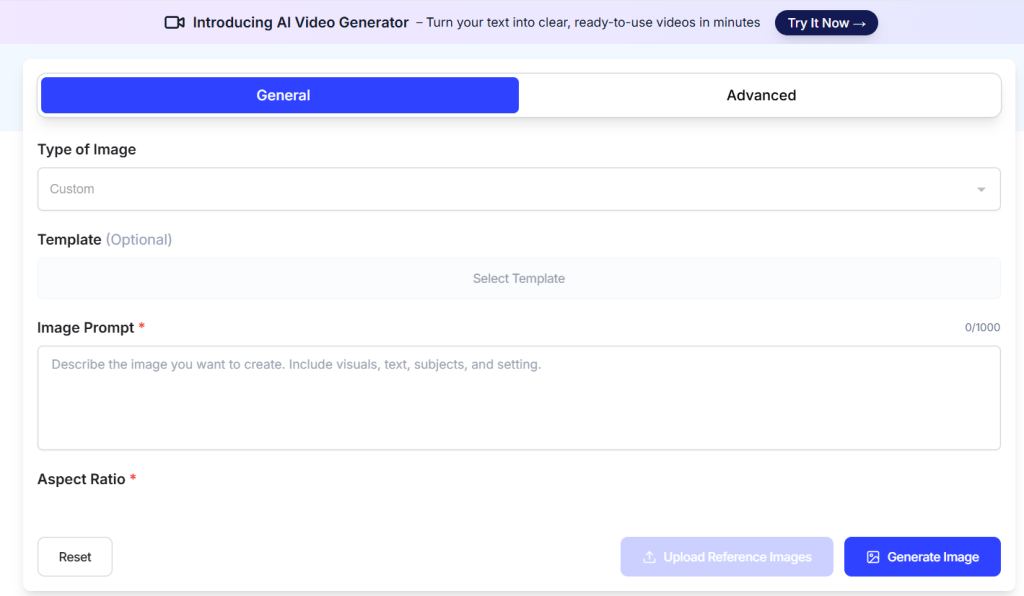
Image generation: You can describe the visuals and it produces images (blog headers, social visuals).
Social content & scheduling: GravityWrite not only writes, but helps schedule posts, tailor captions per platform, queue content, etc.
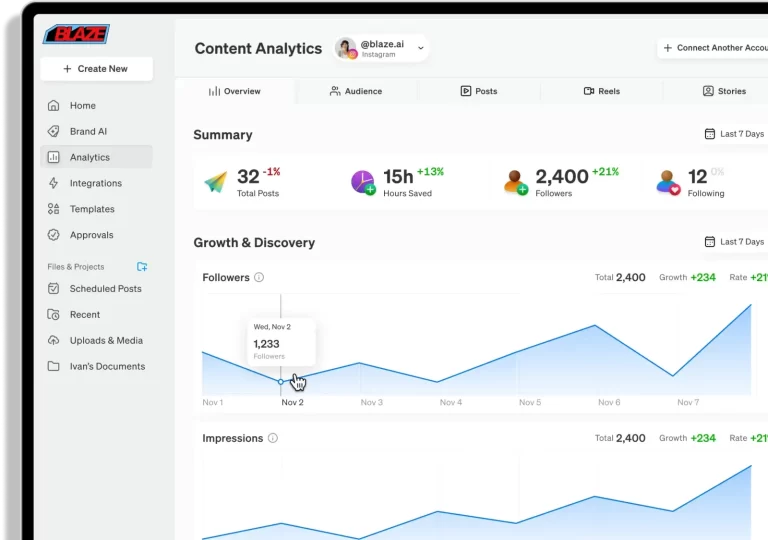
Integrations & SEO / data: it integrates with WordPress, Google Analytics, Ahrefs to use real data in content decisions.
Multiple AI model support: They mention access to ChatGPT-4, Claude and others in one interface.
I tried using SEO / analytics integration: I gave seed keywords, and the tool suggested internal links, meta description ideas. That is useful for content workflow.
What I liked most
The fact that you don’t have to bounce between 5 tools (writing, image, social, scheduling, analytics). GravityWrite aims to unify.
The brand voice module stands out. Many AI tools neglect consistent style across content.
The SEO & data integrations help you not guess, but use real data to shape content.
The UI is relatively clean and parts are intuitive.
For medium to heavy users (bloggers, marketers), the value is better because you’ll use many modules.
What I disliked
For absolute beginners, the many modules feel overwhelming. There’s a learning curve before you trust outputs.
Some output text still needs manual polishing, AI is not perfect.
In topics very outside the mainstream (specialized technical, local cultural references), the content sometimes misfires or feels generic.
The image generator is okay but not as advanced as professional design tools since some visuals feel generic.
Who should use GravityWrite and when
If you are a content marketer, blogger, agency, or someone managing many content channels (blog, social, images), GravityWrite may help you streamline and scale. Because it offers modules for writing, images, scheduling, voice training and SEO integrations, you might get more benefit from full usage. If you are casual blogger who only needs a simple article now and then, it might feel overkill.
Also, if your brand voice matters (you want consistent tone with audience), the brand voice module is a strong selling point. Many AI tools ignore that. But still expect to edit the output.
I believe GravityWrite is very promising and among top contenders in 2026. It may not always produce perfect prose without editing, but its breadth of features sets it apart. In comparing gravitywrite AI content tool and alternatives, its strength is in being an all-in-one content workflow software rather than just a writing box. The GravityWrite brand voice module is a unique feature many simpler AI tools lack. For users who plan to use writing + images + social + SEO, this feels like a future-friendly choice.
If I were starting a content business now, I might choose it and give it time to get comfortable. But I also keep simpler backup tools for occasional fast tasks. So this is a solid pick if you want something more than average. Use this GravityWrite review 2026 to guide whether you invest time and money. Try free trial if available, test brand voice, compare with blogify or similar alternatives and see if the modules you need justify the cost.
Disclosure: This post may contain affiliate links, which means if you make a purchase through my links, I may earn a small commission at no extra cost to you.